
Knowledge
Suez Canal & Mediterranean: Europe’s Secure Gateway
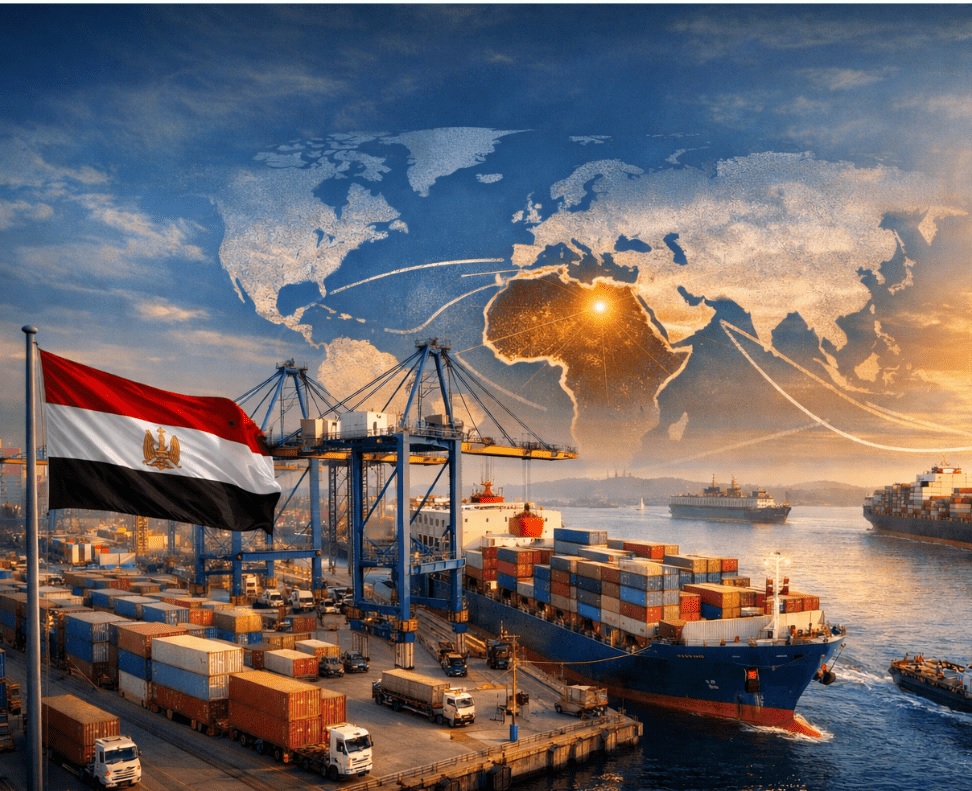
The Suez Canal & Egypt’s Mediterranean Coasts: Your Secure Gateway to Europe Amidst Global Shipping Shifts
Introduction
The year 2026 has ushered in a new era of geopolitical complexities, significantly reshaping global shipping routes. The Strait of Hormuz is a critical chokepoint for global energy. Its near-closure has compelled ship owners and managers to urgently seek secure and efficient alternatives.. In this volatile landscape, the Suez Canal and Egypt’s Mediterranean ports—Alexandria, Damietta, and Port Said—have emerged as indispensable strategic gateways to Europe. This article, tailored for ship owners and managers, provides data-backed insights into the unparalleled time and cost efficiencies, coupled with enhanced security, that Egypt offers. Furthermore, we will highlight how Emdad’s comprehensive services are pivotal in facilitating seamless operations through these vital maritime corridors.
The Suez Canal: A Vital Artery Amidst Crisis
The Suez Canal’s role as a cornerstone of global trade has been profoundly amplified by recent regional instabilities.
Time & Cost Savings: Cape of Good Hope vs. Suez Canal
The economic rationale for using the Suez Canal is now more compelling. It offers advantages over the longer Cape of Good Hope route.. For vessels traversing the Asia-Europe routes, the Suez Canal offers an average transit time reduction of 10 to 15 days [1].
This significant time saving translates directly into substantial cost reductions. Reports indicate that bypassing the Cape of Good Hope can save between $500,000 and $700,000 per voyage in fuel consumption alone, not to mention reduced insurance premiums and operational expenses. UNCTAD reports a significant surge. Rerouting vessels around Africa’s Cape of Good Hope increased by 89%. This adds significantly to costs [2]. While traffic remained weak but relatively stable in 2025 at approximately 30-40 vessels per day, recent 2026 data shows a partial rebound, with major carriers returning to the Suez route, underscoring its enduring economic viability [3]. The Suez Canal remains a key Suez Canal Gateway Europe.
Maritime Security & Stability
In an era of heightened maritime risks, the Suez Canal stands out for its commitment to security. The Egyptian authorities maintain rigorous surveillance and naval patrols, ensuring a safe passage for all transiting vessels. The Strait of Hormuz is volatile. Security risks and insurance costs have soared. This contrasts with the Suez Canal. The Canal is now a more secure and predictable option.. This stability is a critical factor for shipping companies prioritizing the safety of their crew and cargo [4]. The Suez Canal Gateway Europe offers unmatched security.
Egypt’s Mediterranean Ports: Advanced Logistics Gateways
Complementing the Suez Canal, Egypt’s Mediterranean ports are evolving into sophisticated logistics hubs, offering robust infrastructure and expanded capacities.
Alexandria Port: A Key Transit Hub
Alexandria Port has firmly established itself as a key transit hub in the Eastern Mediterranean. In 2025, the port handled nearly 800,000 TEUs (Twenty-foot Equivalent Units), marking a remarkable 41% year-on-year increase, with further growth anticipated in 2026 [5]. The traffic surge highlights growing capacity and efficiency. It manages diverse cargo flows. This makes it an attractive entry point for goods to Europe and North Africa..
Damietta Port: Boosting Capacity
Damietta Port is undergoing significant expansion, with investments totaling $170 million aimed at boosting its capacity and operational capabilities [6]. These enhancements are already yielding results. The port handled its largest general cargo shipment in history in January 2026. It received approximately 138,200 tonnes of slag [7]. Such developments position Damietta as a crucial player in facilitating larger and more complex cargo operations.
Port Said: Strategic Location at the Northern Canal Entrance
Port Said, strategically located at the northern entrance of the Suez Canal, serves as a vital transshipment hub. Its integration with the Suez Canal Economic Zone (SCZone) provides a comprehensive ecosystem. This includes bunkering, repairs, and container handling services.. This strategic positioning allows vessels to optimize their routes and access a wide array of support services efficiently.
Emdad: Your Trusted Partner for Seamless Operations
In this dynamic maritime environment, Emdad stands as an indispensable partner, offering unparalleled expertise and comprehensive services across Egypt’s maritime gateways.
Comprehensive Supply Services Across All Ports
Emdad provides a full spectrum of ship chandlery services, including fuel, provisions, fresh water, spare parts, and technical services, across the Suez Canal and all Egyptian Mediterranean and Red Sea ports. Our rapid response capabilities and 24/7 operational readiness ensure that vessels receive timely and efficient support, even in emergency situations, minimizing downtime and optimizing operational efficiency.
Unrivaled Local Expertise
Our team possesses deep local expertise and an intimate understanding of Egyptian maritime regulations and procedures. Emdad maintains strong relationships with port authorities and customs officials, facilitating swift customs clearance and ensuring that all operations are conducted smoothly and in full compliance. This local knowledge is crucial for navigating the complexities of port calls and transit operations in the region.
Tailored Solutions for Your Needs
Emdad is committed to providing customized logistics solutions designed to meet the unique requirements of each vessel. We offer expert advice to help ship owners and managers optimize their routes, reduce costs, and enhance operational efficiency. Our unwavering commitment to ensuring the continuity of supplies, even under challenging circumstances, makes Emdad the ideal partner for resilient and profitable maritime operations through Egypt’s strategic waterways, solidifying the Suez Canal Gateway Europe.
Frequently Asked Questions (FAQ)
- Q: What are the average time and cost savings for transiting the Suez Canal? Compare this to the Cape of Good Hope route.
A: Transiting the Suez Canal typically saves 10-15 days on Asia-Europe routes and can result in fuel savings of $500,000-$700,000 per voyage, significantly reducing overall operational costs. This makes the Suez Canal Gateway Europe a preferred choice.
- Q: What services does Emdad provide in Egyptian Mediterranean ports?
A: Emdad offers comprehensive ship chandlery services. These include provisions, fresh water, technical supplies, spare parts, and efficient customs clearance. We ensure seamless operations for vessels calling at Alexandria, Damietta, and Port Said.
- Q: How does Egypt ensure maritime security in the Suez Canal and its ports?
A: Egypt employs a robust security framework, including continuous surveillance, naval patrols, and close collaboration with international maritime security agencies, to deter threats and guarantee a safe and secure passage for all vessels.
Conclusion
The Suez Canal and Egypt’s Mediterranean coasts have solidified their position as critical, secure, and efficient gateways to Europe, especially in the face of ongoing global shipping disruptions. For ship owners and managers, leveraging these strategic maritime assets offers unparalleled advantages in terms of time, cost, and security. Emdad stands ready as your trusted partner, providing comprehensive, locally-informed, and tailored solutions to ensure your operations through this vital region are as seamless and profitable as possible. Partner with Emdad to navigate the complexities of global trade with confidence and efficiency, utilizing the Suez Canal Gateway Europe.
Author
Ibrahem elguoshy
Director
Categories
Popular Posts
Related posts
November 1, 2025
Your Guide to Choosing the Best Ship Chandler in Egypt
November 11, 2025
Ship Chandler Services: The Ultimate Guide to Marine Supply
November 21, 2025
HACCP Ship Provisions: Why Compliance is Crucial for Food Safety at Sea
December 1, 2025
MARPOL Ship Chandler Role: Navigating Vessel Waste Management

December 11, 2025
Ship Chandler Crew Welfare: Beyond Provisions in Egyptian Ports
December 21, 2025
Cold Chain Red Sea: Ship Provisioning for Freshness and Safety
January 1, 2026
Essential Technical Stores Every Vessel Needs in Egyptian Ports

January 11, 2026
Ship Chandler Crew Welfare: Essential Services in Egyptian Ports
January 21, 2026
Ship Provisioning Red Sea: Local vs. Imported Supplies Guide
February 1, 2026


