
Knowledge
Red Sea Crisis: Securing Ship Supplies in Egyptian Ports
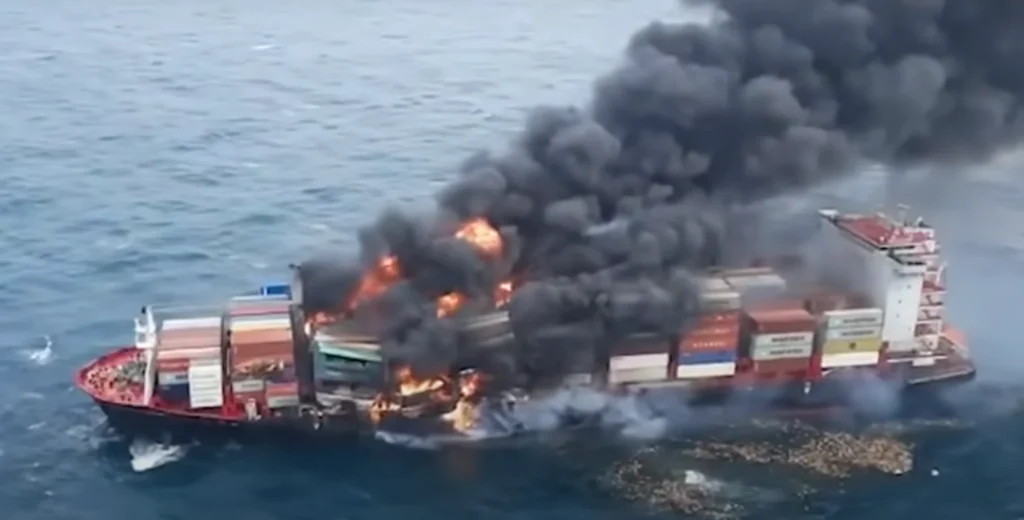
The Red Sea Crisis profoundly impacts global maritime trade. Geopolitical tensions in the region create unprecedented challenges. Shipping routes face significant disruptions. Consequently, securing essential Red Sea Crisis Ship Supplies is a critical priority for vessel operators. Egyptian ship chandlers lead this effort. They implement robust strategies. These strategies ensure continuous supply chains.
This article explores the vital role of Egyptian ship chandlers. It highlights their efforts. They maintain operational continuity. They serve vessels navigating these turbulent waters. Their expertise is crucial for Red Sea Crisis Ship Supplies.
The Geopolitical Landscape and Its Impact on Maritime Trade
The Red Sea holds immense strategic importance. It is a crucial artery for global commerce. However, recent geopolitical events destabilized the region. Attacks on commercial shipping forced many vessels to reroute. This action increases transit times and operational costs [1]. The Suez Canal, a gateway to the Red Sea, also experiences reduced traffic. This situation directly affects the demand for Red Sea Crisis Ship Supplies.
Ship chandlers in Egyptian ports face unique pressures. They must adapt quickly to changing demands. Their efficient sourcing and delivery capabilities are paramount. This ensures vessels continue their voyages safely. They are key to managing Red Sea Crisis Ship Supplies.
Egyptian Ship Chandlers: Pillars of Supply Chain Resilience
Egyptian ship chandlers demonstrate remarkable resilience. They are crucial partners in managing the crisis. Their deep local knowledge and extensive networks are invaluable. They navigate complex logistics. This ensures timely delivery of provisions, technical stores, and other vital supplies. This is especially true for Red Sea Crisis Ship Supplies.
Key strategies employed by Egyptian chandlers include:
- Diversified Sourcing: Multiple supply channels reduce dependency. This mitigates risks from single-source failures.
- Strategic Stockpiling: Adequate inventory levels are essential. This ensures immediate availability of high-demand items. It buffers against unforeseen delays.
- Agile Logistics: Flexible transportation and delivery systems are vital. They allow rapid adjustments to changing port schedules. This minimizes vessel downtime.
- Strong Port Relationships: Close collaboration with port authorities streamlines processes. This facilitates faster customs clearance and efficient cargo handling.
Ensuring Operational Continuity for Vessels
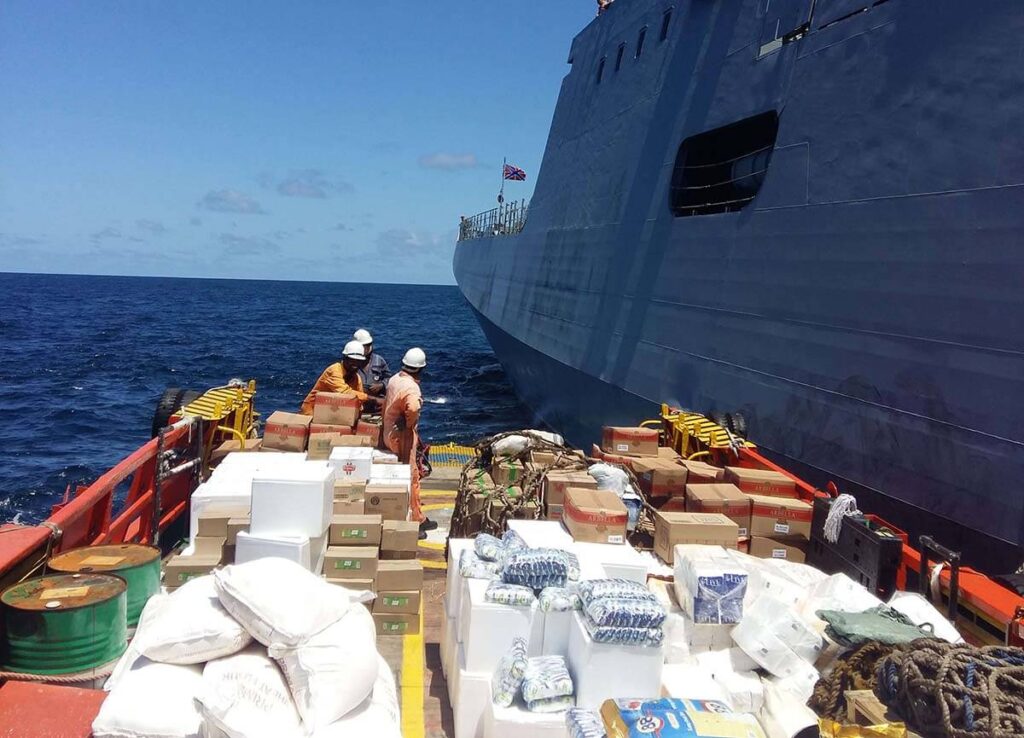
For vessels operating in or near the Red Sea, reliable ship supplies are non-negotiable. They impact crew welfare, safety, and operational efficiency. Egyptian ship chandlers provide a lifeline. They deliver everything from fresh food to critical spare parts. This support is vital. It maintains vessel compliance and crew morale. These are essential Red Sea Crisis Ship.
Red Sea Crisis Ship Supplies typically include:
- Provisions: Fresh and frozen foods, beverages, and bonded stores.
- Technical Stores: Engine parts, deck equipment, and safety gear.
- Medical Supplies: Essential medicines and first-aid equipment.
- Crew Welfare Items: Communication tools and personal necessities.
The Future: Adapting to a New Maritime Reality
The maritime industry constantly evolves. The Red Sea Crisis underscores the need for adaptability. Ship chandlers must continue to innovate. They need to leverage technology and data analytics. This enhances their predictive capabilities. It also improves their response times.
Egyptian ports, with their strategic location, remain crucial. They offer a stable hub for Red Sea Crisis Ship Supplies. Chandlers like Emdad commit to excellence. They ensure vessels receive needed support. This helps them navigate modern maritime trade complexities.
Conclusion:
The Red Sea Crisis presents significant challenges. However, Egyptian ship chandlers prove their mettle. They secure vital supplies. They ensure the smooth operation of vessels. Their role is indispensable. It maintains global maritime trade flows. Partnering with an experienced Egyptian chandler is crucial. It guarantees resilience and reliability in these uncertain times.
References:
[1] S&P Global. (2026). Red Sea shipping reopens, but renewed Houthi threats keep route … (https://www.spglobal.com/market-intelligence/en/news-insights/research/2026/02/red-sea-shipping-reopens)
[2] International Maritime Organization (IMO). (n.d.). Maritime Security. (https://www.imo.org/en/OurWork/Security/Pages/Default.aspx)
Author
Ibrahem elguoshy
Director
Categories
Popular Posts
Related posts
November 1, 2025
Your Guide to Choosing the Best Ship Chandler in Egypt
November 11, 2025
Ship Chandler Services: The Ultimate Guide to Marine Supply

November 21, 2025
HACCP Ship Provisions: Why Compliance is Crucial for Food Safety at Sea
December 1, 2025
MARPOL Ship Chandler Role: Navigating Vessel Waste Management

December 11, 2025
Ship Chandler Crew Welfare: Beyond Provisions in Egyptian Ports
December 21, 2025
Cold Chain Red Sea: Ship Provisioning for Freshness and Safety

January 1, 2026
Essential Technical Stores Every Vessel Needs in Egyptian Ports

January 11, 2026
Ship Chandler Crew Welfare: Essential Services in Egyptian Ports
January 21, 2026
Ship Provisioning Red Sea: Local vs. Imported Supplies Guide

February 1, 2026


