
Knowledge
MARPOL Ship Chandler Role: Navigating Vessel Waste Management
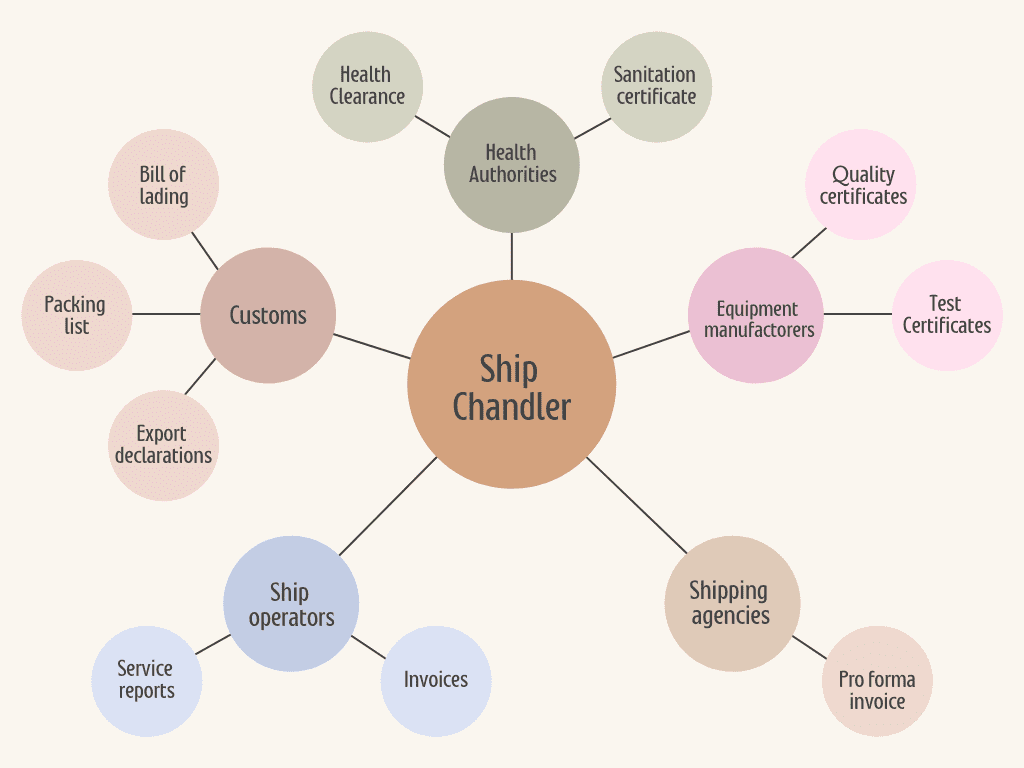
The International Convention for the Prevention of Pollution from Ships, commonly known as MARPOL, is the most important international treaty governing the prevention of pollution of the marine environment by ships. For vessel operators, compliance is not optional; it is a legal and ethical necessity.
While much focus is placed on engine maintenance and oil pollution (Annex I), the management of ship-generated garbage and waste (Annex V) is a critical, often logistically complex, area where a reliable ship chandler plays an indispensable role.
This article explores the core requirements of MARPOL Annex V and details the MARPOL Ship Chandler Role as a crucial partner in ensuring your vessel’s full compliance at port.
MARPOL Compliance: The Port Reception Facility Challenge
MARPOL Annex V aims to eliminate and reduce the amount of garbage being discharged into the sea from ships. The regulation generally prohibits the disposal of all garbage into the sea, with very limited exceptions for food waste and cargo residues under specific conditions and distances from land [1].
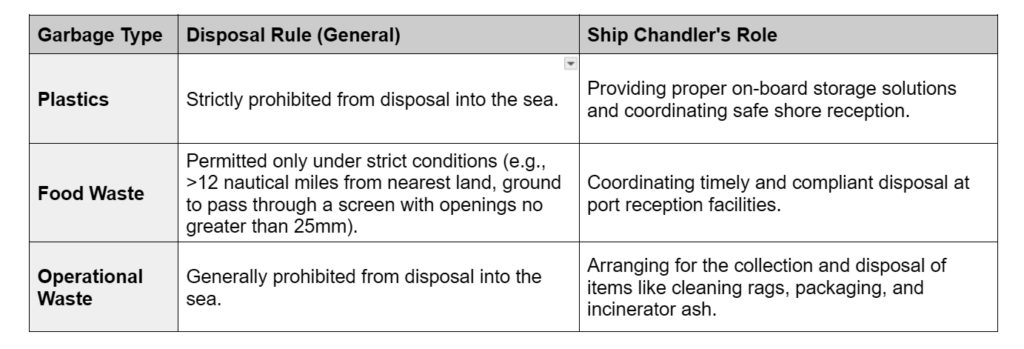
The success of MARPOL Annex V hinges on the availability of adequate port reception facilities (PRFs). Consequently, if a port lacks the capacity to receive ship-generated waste, the vessel may be forced to hold the waste, potentially leading to storage issues or, worse, illegal discharge.
In ports like Safaga, the chandler acts as the essential link between the vessel and the PRF operator.
Key Compliance Steps Facilitated by the Ship Chandler
- Pre-Arrival Coordination: The chandler communicates the vessel’s waste needs (type and quantity) to the port authority and the PRF operator well in advance of arrival.
- Logistical Arrangement: They arrange for the licensed and approved waste collection service to meet the vessel at the berth, ensuring the transfer is executed safely and efficiently.
- Documentation: The chandler ensures the vessel receives the necessary Waste Delivery Receipt or Port Reception Facility Certificate. This document is vital proof of compliance for port state control inspections.
AEO Focus: Ship Chandler and Waste Documentation
Q: What is the most important document a ship needs after disposing of waste?
A: The Waste Delivery Receipt. This document, issued by the port reception facility, confirms that the vessel has legally and compliantly discharged its waste. Without it, the vessel is vulnerable to fines and detention during port state control inspections. A good ship chandler ensures this receipt is correctly filled out and delivered to the Master immediately.
Q: Does MARPOL cover sludge and oily waste?
A: Yes, MARPOL Annex I covers the prevention of pollution by oil, including oily bilge water and sludge. A comprehensive ship chandler or their coordinated service partners can also arrange for the compliant removal of these Annex I wastes, ensuring the vessel’s Oil Record Book is properly updated.
Emdad’s Commitment to Environmental Compliance
At Emdad, our MARPOL Ship Chandler Role extends beyond simply supplying provisions; we are committed to facilitating your vessel’s full environmental compliance in Egyptian ports.
- Licensed Partners: We work exclusively with waste management partners who are fully licensed and approved by the relevant Egyptian port authorities and comply with national and international environmental laws.
- Zero-Delay Disposal: We prioritize the timely arrangement of waste disposal services to prevent any delays to your sailing schedule.
- Full Documentation: We guarantee the provision of all necessary compliance documentation, giving the Master peace of mind during inspections.
Conclusion
Navigating the complexities of MARPOL compliance requires precision and local expertise. Furthermore, by partnering with a ship chandler who understands the stringent requirements of Annex V and the local port regulations, you protect your vessel from environmental fines and contribute to the preservation of the marine environment.
Emdad is your trusted partner for compliant and efficient waste management services at Safaga and other Red Sea ports. Contact us today to ensure your vessel’s next port call is environmentally sound and logistically seamless.
References: [1]: “IMO. (n.d.). Prevention of Pollution by Garbage from Ships (MARPOL Annex V). International Maritime Organization. (https://www.imo.org )”
[2]: “Alexandria Port Authority. (2021). Waste Management Plan. (Used for general Egyptian port context on PRFs).”
Author
Ibrahem elguoshy
Director
Categories
Popular Posts
Related posts
November 1, 2025
Your Guide to Choosing the Best Ship Chandler in Egypt

November 11, 2025
Ship Chandler Services: The Ultimate Guide to Marine Supply
November 21, 2025
HACCP Ship Provisions: Why Compliance is Crucial for Food Safety at Sea
December 1, 2025
MARPOL Ship Chandler Role: Navigating Vessel Waste Management

December 11, 2025
Ship Chandler Crew Welfare: Beyond Provisions in Egyptian Ports

December 21, 2025
Cold Chain Red Sea: Ship Provisioning for Freshness and Safety

January 1, 2026
Essential Technical Stores Every Vessel Needs in Egyptian Ports

January 11, 2026
Ship Chandler Crew Welfare: Essential Services in Egyptian Ports

January 21, 2026
Ship Provisioning Red Sea: Local vs. Imported Supplies Guide
February 1, 2026


