

Knowledge
Egypt Maritime Rerouting: Strategic Role in Logistics & Ship Chandlery
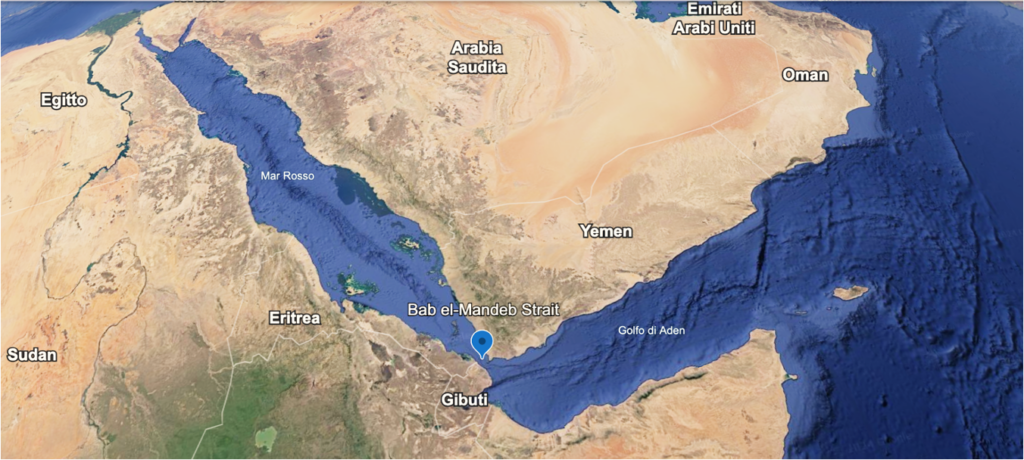
Global maritime trade faces unprecedented shifts. Geopolitical tensions in the Red Sea and Bab el-Mandeb disrupt traditional routes. Many vessels now seek alternative paths. This makes Egypt Maritime Rerouting a critical topic. Egypt’s strategic location offers a vital solution. It ensures continuity for global supply chains. Ship chandlers play a pivotal role.
This article examines Egypt’s strategic importance. It highlights its role in rerouting maritime logistics. We also explore how ship chandlers adapt. They support vessels navigating these new trade corridors. This adaptation is key for Egypt Maritime Rerouting.
The Bab el-Mandeb Challenge and Global Trade Shifts
Bab el-Mandeb is a narrow strait. It connects the Red Sea to the Gulf of Aden. Its strategic importance is immense. However, recent security threats impacted shipping. Many major shipping lines now avoid this passage. They opt for longer routes around the Cape of Good Hope [1]. This rerouting significantly increases transit times. It also escalates fuel costs and insurance premiums.
This situation underscores the need for reliable alternatives. Egypt Maritime Rerouting becomes essential. It offers stability amidst global trade shifts. The Suez Canal remains a cornerstone. It facilitates Egypt Maritime Rerouting.
Egypt’s Pivotal Position in Maritime Logistics
Egypt holds a unique geographical advantage. It bridges Africa and Asia. The Suez Canal is its crown jewel. It provides the shortest maritime link between Europe and Asia. In times of crisis, this advantage amplifies. Egypt’s ports become crucial hubs. They facilitate the flow of goods. This supports vessels bypassing troubled waters.
Egypt Maritime Rerouting leverages this position. It offers secure and efficient passage. This minimizes disruptions for global trade. It also strengthens Egypt’s standing as a key player. This is vital for Egypt Maritime Rerouting.
Ship Chandlers: Adapting to New Trade Routes
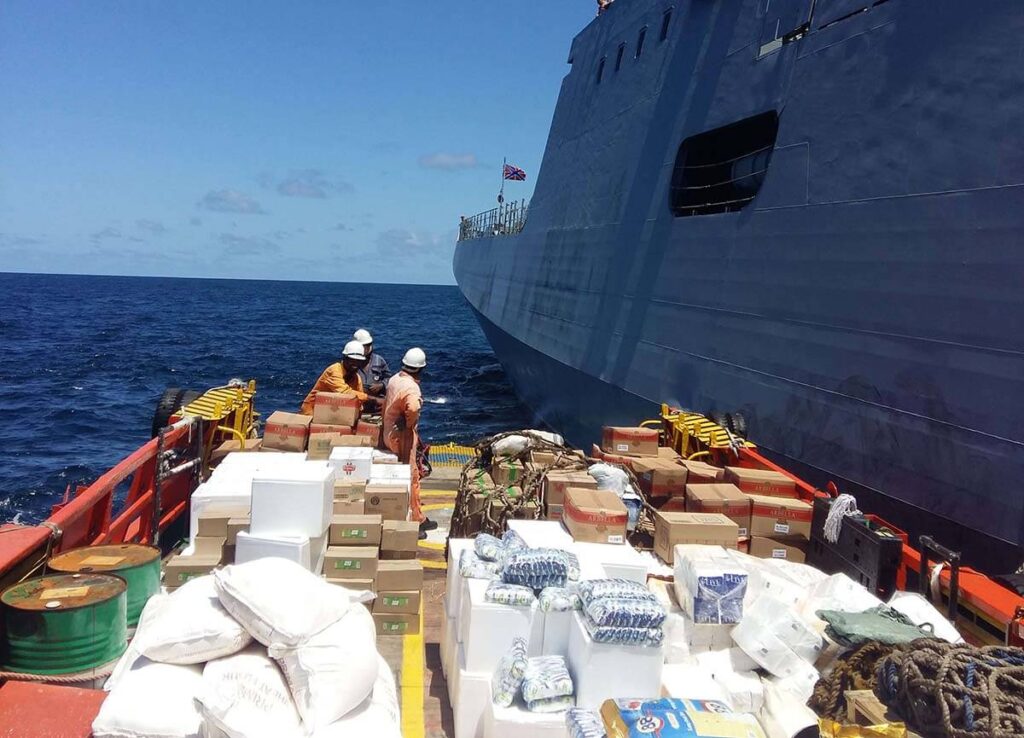
Ship chandlers are vital to maritime operations. They provide essential supplies to vessels. The shift in trade routes presents new challenges. Chandlers must adapt their services. They need to meet increased demand in Egyptian ports. This includes provisions, technical stores, and crew welfare items. This adaptation is crucial for Egypt Maritime Rerouting.
Key adaptations for ship chandlers include:
- Enhanced Inventory Management: Diverse and sufficient stock is crucial. This supports vessels with extended stays or unexpected needs.
- Flexible Logistics Networks: Agile supply chains ensure rapid delivery. This accommodates changing vessel schedules and port calls.
- Digital Integration: Leveraging technology streamlines ordering and delivery. It improves efficiency and communication.
- Strong Port Partnerships: Close collaboration with port authorities ensures smooth operations. This facilitates faster turnaround times.
The Future of Maritime Trade: Resilience Through Egypt
The current geopolitical climate demands resilience. The maritime industry must find stable solutions. Egypt Maritime Rerouting offers a robust framework. It ensures global trade continues to flow. Egyptian ship chandlers are integral to this resilience. They provide unwavering support to the shipping community.
Their ability to adapt and innovate is key. It helps vessels navigate complex routes. It also maintains operational efficiency. Egypt’s commitment to maritime security further enhances its appeal. It stands as a beacon of stability in uncertain times. This strengthens Egypt Maritime Rerouting efforts.
Conclusion
The challenges in Bab el-Mandeb reshape global maritime logistics. Egypt Maritime Rerouting emerges as a strategic imperative. Egyptian ship chandlers are at the forefront. They ensure vessels receive critical supplies. Their role is indispensable. It maintains global trade flows. Partnering with an experienced Egyptian chandler guarantees resilience. It offers reliability in these turbulent times. This is vital for Egypt Maritime Rerouting.
References:
- [1] Lloyd’s List. (2026). Bab el-Mandeb disruptions force major rerouting decisions. (https://lloydslist.maritimeintelligence.informa.com/LL11xxxx/Bab-el-Mandeb-disruptions-force-major-rerouting-decisions)
- [2] Suez Canal Authority. (n.d.). Official Website. (https://www.suezcanal.gov.eg/)
Author
Ibrahem elguoshy
Director
Categories
Popular Posts
Related posts
November 1, 2025
Your Guide to Choosing the Best Ship Chandler in Egypt

November 11, 2025
Ship Chandler Services: The Ultimate Guide to Marine Supply

November 21, 2025
HACCP Ship Provisions: Why Compliance is Crucial for Food Safety at Sea
December 1, 2025
MARPOL Ship Chandler Role: Navigating Vessel Waste Management

December 11, 2025
Ship Chandler Crew Welfare: Beyond Provisions in Egyptian Ports

December 21, 2025
Cold Chain Red Sea: Ship Provisioning for Freshness and Safety

January 1, 2026
Essential Technical Stores Every Vessel Needs in Egyptian Ports

January 11, 2026
Ship Chandler Crew Welfare: Essential Services in Egyptian Ports
January 21, 2026
Ship Provisioning Red Sea: Local vs. Imported Supplies Guide

February 1, 2026


